Dampcure Ltd were contacted by a customer in Chesterfield following ongoing damp issues affecting several areas of the property. Visible damp patches had formed on internal walls, with peeling paint, deteriorating plaster, and areas of soft, crumbling finishes becoming increasingly noticeable over time.
In some areas, salt deposits were also visible on the wall surfaces. This indicated that moisture was rising through the masonry and bringing soluble salts with it, a common sign of rising damp.
The customer also reported a persistent musty smell, particularly in the front room and hallway, which suggested prolonged moisture retention within the walls. During colder months, the walls felt cold and occasionally damp to the touch, making the living spaces uncomfortable.
The problem had been present for several years and had gradually worsened. Although the property had been maintained, previous repainting and plaster repairs had only addressed the visible damage, rather than the underlying cause. There was also no evidence of a previously installed or retrofitted damp proof course.
The customer wanted a long-term solution that would stop the damp at its source, protect the internal finishes, and improve the overall condition of the living environment.
Dampcure Ltd carried out a detailed damp survey to identify the true cause of the problem. This included a full visual inspection of the affected areas, moisture readings throughout the property using a calibrated moisture meter, and discussions with the customer to understand how long the issue had been present and how it had progressed.
Further investigation confirmed that the property had a failed or non-existent damp proof course, allowing ground moisture to rise through the masonry.
Debris within the wall cavity was also identified as a contributing issue. This was causing bridging, allowing moisture to bypass any existing protection and transfer into the internal wall structure.
Specialist tools, including moisture meters and thermal imaging, were used to support the findings and accurately assess the extent of the damp. By combining these methods, Dampcure Ltd were able to identify the root cause and recommend a targeted treatment system, rather than simply treating the surface symptoms.
As the property was undergoing renovation, the owners were present during the works. This meant the team needed to work carefully and efficiently while ensuring the property remained as manageable as possible throughout the treatment process.
One of the main challenges was working around pipework within the kitchen area. This required additional care during preparation, drilling, and installation to avoid complications.
To overcome this, the technician took time to work carefully around the pipework, ensuring the damp proofing treatment was completed safely, accurately, and without disruption to the existing services.
Dampcure Ltd carried out rising damp treatment across the front room, kitchen, lounge, and hallway.
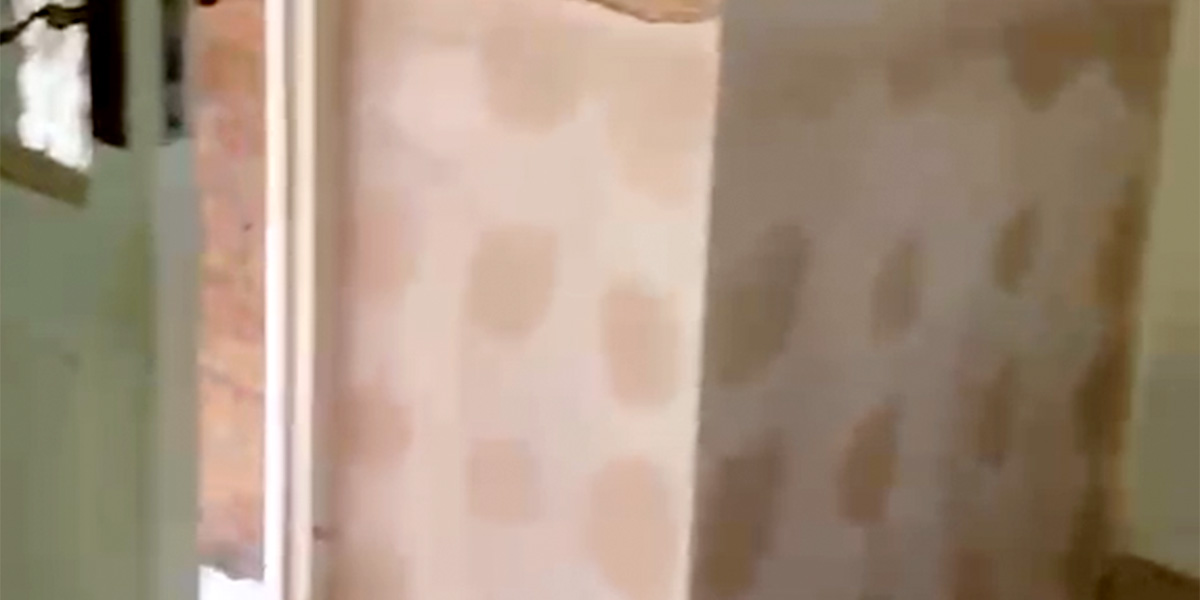
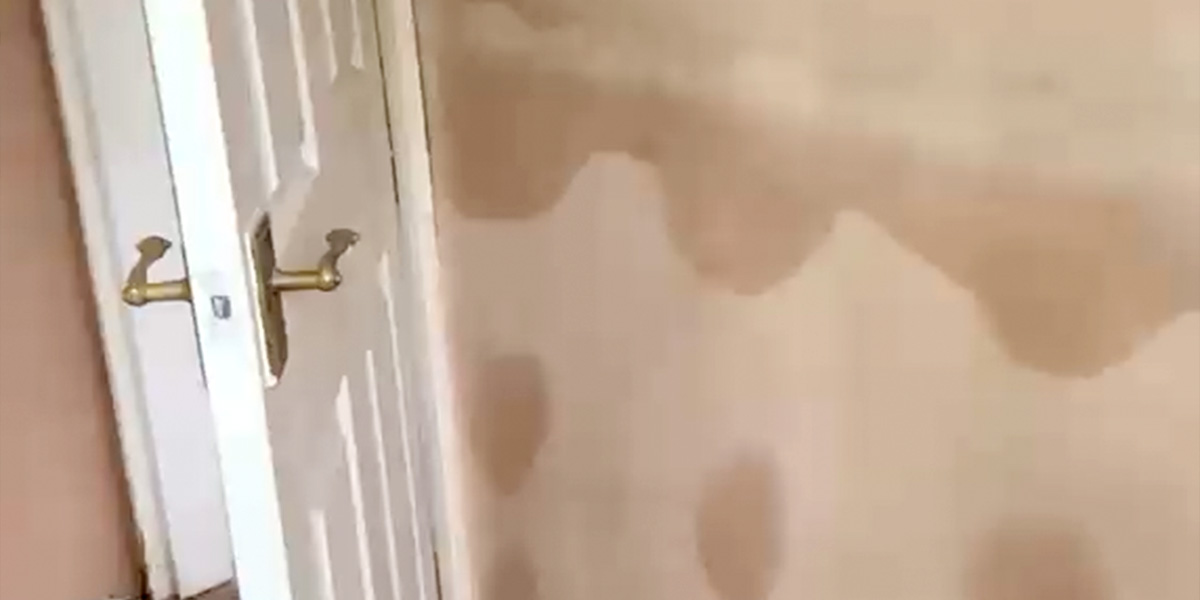
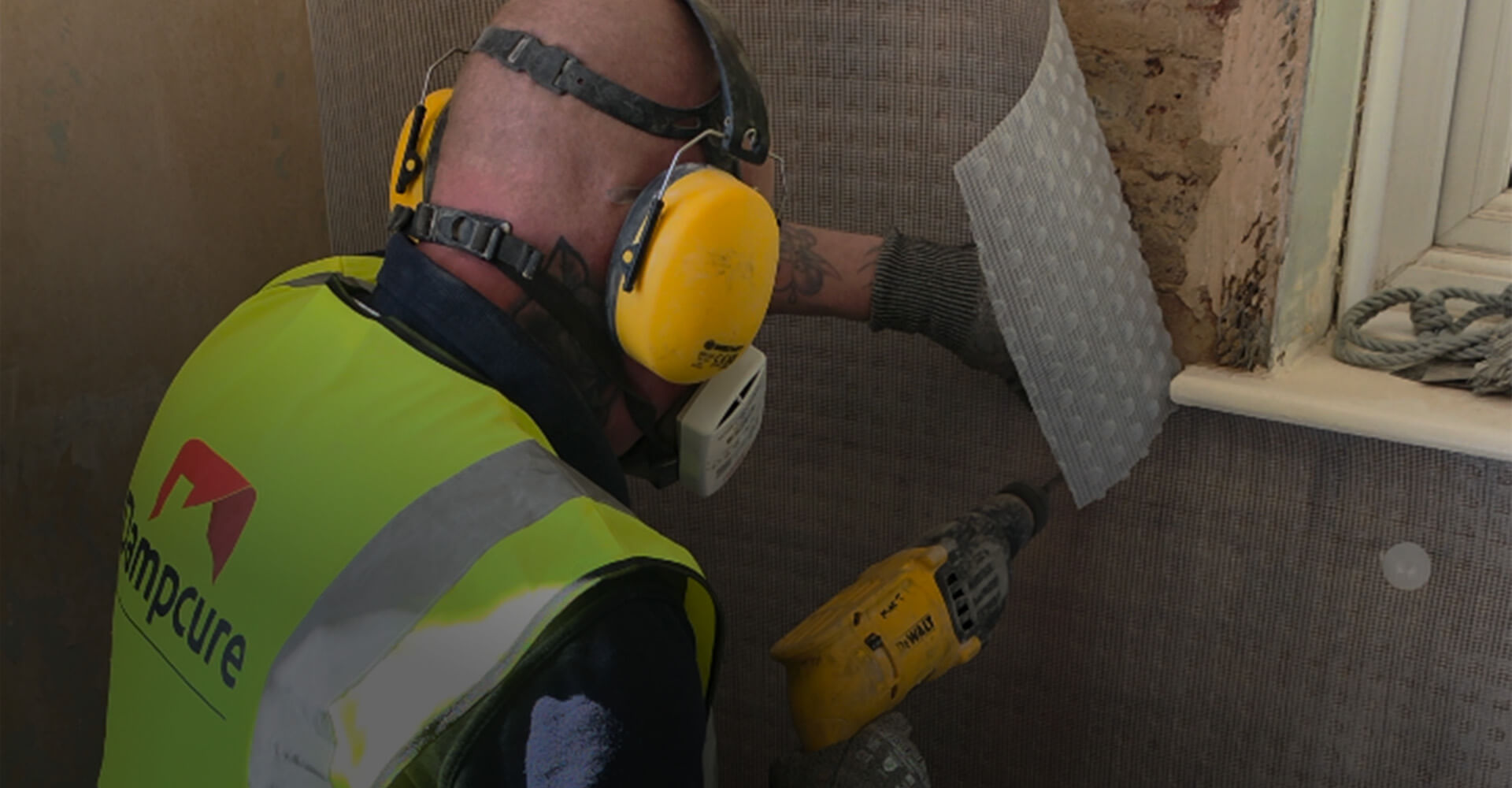
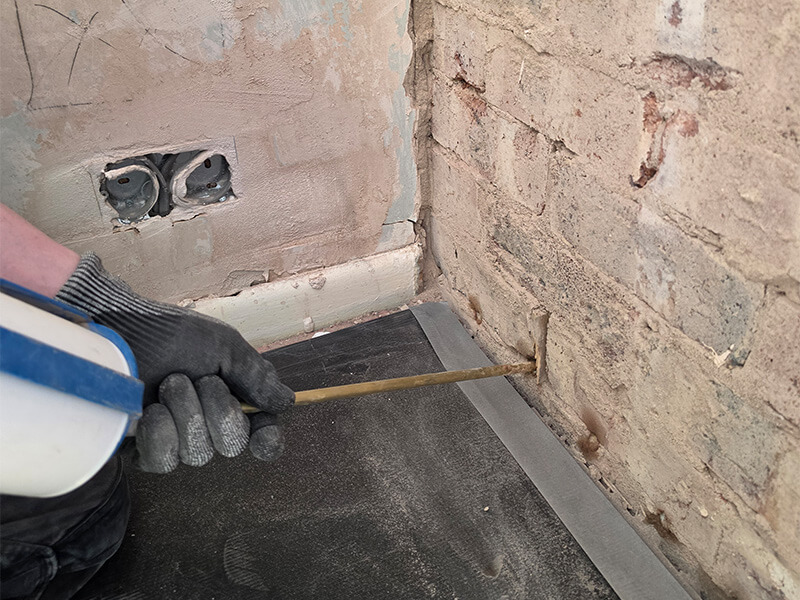
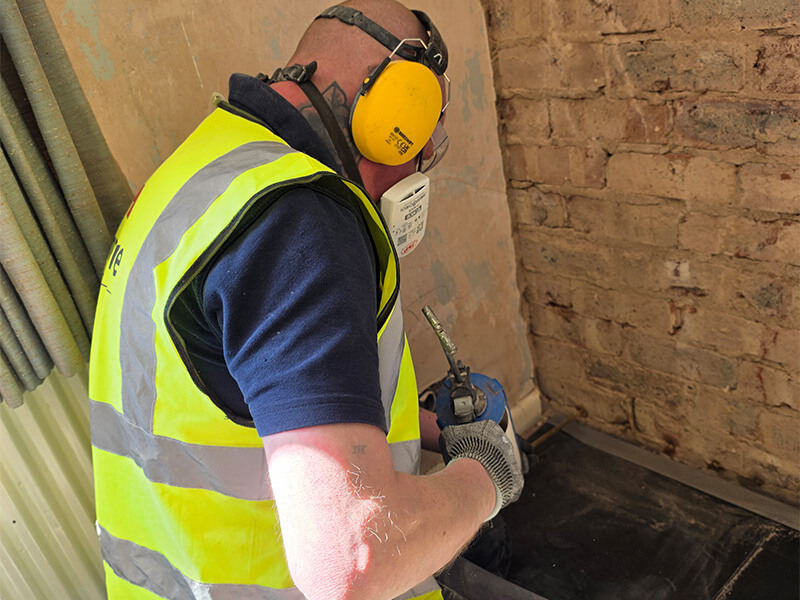
The existing plaster was removed from the affected areas to expose the damp masonry and allow full access for treatment. A series of injection holes were then drilled along the mortar joints, before a silicone-based chemical damp proof course cream was installed to create a continuous barrier against rising moisture.
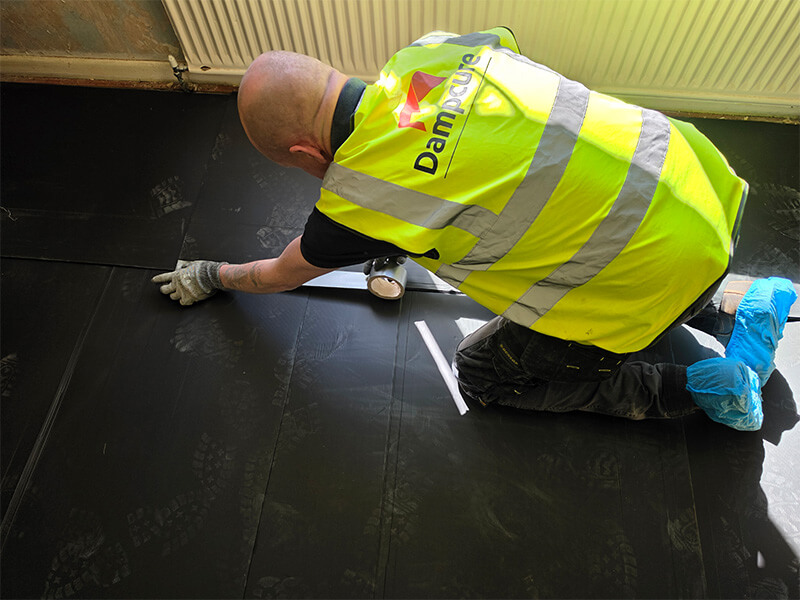
Once the new DPC had been installed, a CM3 cavity wall membrane system was fitted. This helped isolate any remaining moisture within the structure while creating a clean, dry surface for reinstatement. New plasterboards were then fixed securely over the membrane, before the walls were finished with fresh plaster to restore a smooth internal surface.
This approach addressed the cause of the damp, rather than masking the symptoms. The newly installed DPC prevents capillary action within the masonry, stopping ground moisture from rising through the walls in the future.
The full programme of works was completed over 6 days.
Following completion, the property was successfully protected against rising damp at its source. The affected walls began to dry out, and the previous conditions that allowed damp, salt deposits, musty odours, and plaster deterioration to persist were removed.
The treated areas now have dry, stable wall surfaces with a clean plaster finish, ready for redecoration. The installation of the cavity membrane system also helped improve the internal environment by reducing trapped moisture and removing the musty smell previously reported by the customer.
The finished system provides a long-term solution, giving the customer confidence that the damp issue has been properly resolved rather than temporarily covered over.
Simply mention your valid, in-date Blue Light Card when enquiring and provide proof of ID before your booking is confirmed.
We also accept Visa, Mastercard, Apple Pay and Google Pay.